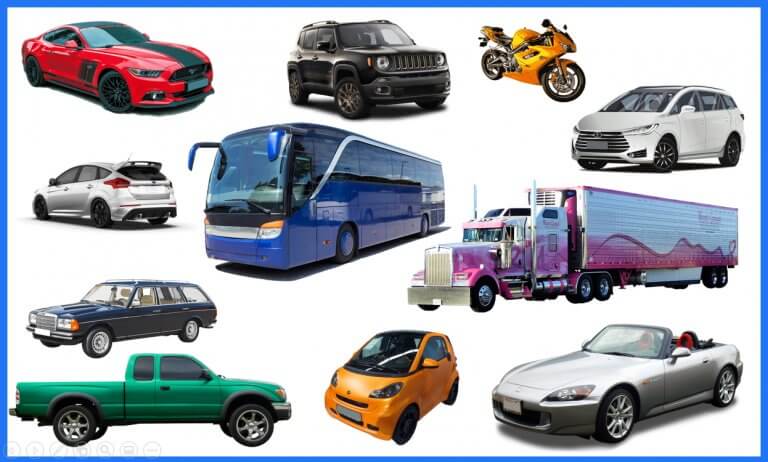
The transition from traditional security monitoring to automated vehicle intelligence requires a shift in how organizations perceive hardware. In 2026, an automatic license plate scanner serves as a data gateway that must function reliably under extreme weather, high speeds, and poor lighting. Selecting the right system involves evaluating the synergy between specialized optics and the AI engine processing the frames. This guide focuses on the technical pillars—optical precision, neural processing speed, and metadata depth—that define a high-performance ALPR deployment.

Several cars on the streets of a busy city. Source: Canva
What Do License Plate Scanners Read?
Data depth is the primary differentiator between consumer-grade tools and professional automated license plate scanners. Many users researching what license plate scanners read focus solely on the alphanumeric string. While capturing the plate number is essential, a professional system provides a comprehensive vehicle profile to enhance security and operational awareness.
Advanced engines like Plate Recognizer extract the following data points:
- Plate Alphanumerics – The primary string of characters, including support for international fonts and multi-line plates.
- Region Identification – The specific state, province, or country of origin to prevent confusion between similar plate designs.
- MMC Recognition – The Make, Model, Color, and Body Type of the vehicle.
- Timestamp and Direction – Exact entry/exit times and whether the vehicle is approaching or receding.
Capturing vehicle metadata allows operators to verify that the plate matches the car. This level of detail is vital for preventing fraud in parking facilities and assisting law enforcement in identifying vehicles when a plate is dirty or intentionally obscured.

Active security camera in the dark. Source: Canva
How Automatic License Plate Recognition Systems Work
The operational efficiency of an ALPR deployment relies on a rapid, multi-stage processing pipeline. Understanding how automatic license plate recognition systems work allows developers to optimize their hardware and network configurations. The process begins when a license plate scanner camera captures a frame of a vehicle, often utilizing infrared (IR) light to bypass headlight glare and poor weather conditions.
Once the hardware captures the image, the Plate Recognizer software begins the detection phase. The engine scans the frame to locate the license plate, even if it is positioned at an extreme angle or obscured by shadows. Following detection, the software performs “de-skewing” to straighten the image, which significantly improves OCR accuracy. The final stage involves the neural network converting the visual characters into digital text. High-performance automatic license plate scanners complete this entire cycle in under 100 milliseconds. This speed ensures that data is available for real-time decision-making, such as opening a parking gate or triggering a security alarm.

Two security cameras on the side of a building. Source: Canva
Selecting Hardware for Your Automatic License Plate Scanners
The physical foundation of any vehicle identification system involves choosing a high-quality camera. Success in automated recognition depends heavily on the quality of the image the software receives. Professionals should prioritize cameras equipped with a Global Shutter sensor rather than a rolling shutter. Global Shutters capture the entire frame simultaneously, which eliminates the distortion and “leaning” effect often seen when vehicles travel at high speeds.
A dedicated license plate scanner camera should also feature integrated Infrared (IR) illumination and a fast shutter speed, typically 1/1000s or higher. These specifications allow the detection engine to “see” through the intense glare of headlights and capture clear, high-contrast images of the plate during the night. Standard security cameras often produce motion blur or overexposed frames in these conditions, which makes it difficult for any software to maintain consistent accuracy. Opting for hardware that provides a clean, localized crop of the vehicle’s front or rear ensures the digital transition from image to data remains seamless.

Police car speeding down a street. Source: Canva
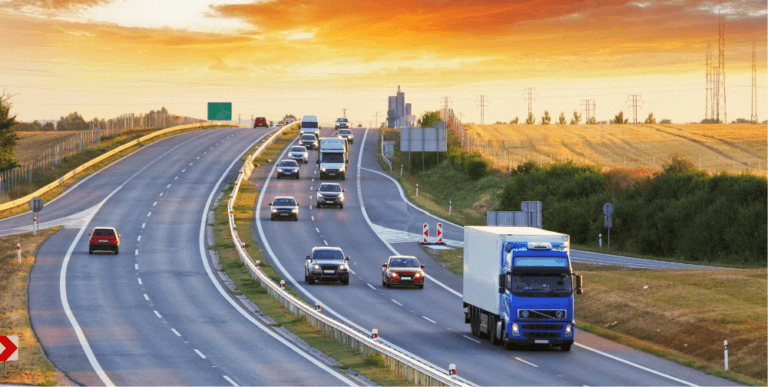
Mobile Efficiency: License Plate Scanners on Police Cars
Mobile environments present the most difficult conditions for vehicle identification. The use of license plate scanners on police cars requires software that can maintain accuracy while both the scanner and the target vehicle are moving at high velocities. These systems must process hundreds of images per minute as a patrol vehicle moves through traffic or a crowded parking lot.
Effective license plate scanners in a mobile context must account for the constant vibration of the vehicle and the rapid shifting of ambient light. Agencies utilize these systems to cross-reference plates against national databases for stolen vehicles or active warrants in real-time. Plate Recognizer provides a hardware-agnostic engine, which allows law enforcement to integrate high-accuracy ALPR into existing mobile camera hardware without being forced into expensive, proprietary ecosystems.
“Accuracy” is the Only Metric That Matters
The success of an ALPR deployment depends heavily on the synergy between hardware and software. A high-quality license plate scanner camera provides the clear, high-contrast images that the AI engine needs to function. Professionals should prioritize cameras with Global Shutter sensors and built-in IR capabilities to ensure the software receives a usable image regardless of the environmental lighting.
Focusing on hardware alone is a common pitfall in the industry. An expensive camera cannot compensate for an inferior OCR engine that fails when faced with rain, glare, or non-standard plate fonts. Utilizing an AI-driven engine ensures that the system remains resilient against the “ugly” images that occur in daily operations.
This resilience is strengthened by the inclusion of Make, Model, and Color (MMC) recognition. These details are vital when a plate is not fully visible due to dirt, physical damage, or extreme angles. Because witnesses often remember a “red Ford SUV” rather than a specific alphanumeric string, MMC data allows security teams to search a database using these visual descriptions to find a vehicle quickly. This combination of robust hardware and intelligent software creates a system that minimizes false negatives and maximizes security.
Elevating Your ALPR Strategy
The transition from manual monitoring to automatic license plate scanners is a significant upgrade for any organization. Reliability serves as the most important metric in this field. A system that misses one out of every ten plates creates a security gap that is difficult to justify. Choosing a solution that is trained on millions of real-world images ensures that your data remains accurate and actionable.
Plate Recognizer offers the precision and speed required for the most demanding technical environments. Our engine supports over 90 countries and works with any IP camera, providing the flexibility developers and integrators need.
Would you like to see how our engine handles your specific use case? Sign up for a Plate Recognizer account today.