
Car buying has moved beyond the traditional dealership visit, with research, comparison, bidding, and financing increasingly handled online. Photo source: Unsplash
Buying a used car once began with local inventory. The buyer’s practical choice was limited by the vehicles available at nearby dealerships or auctions. Condition was assessed in person before serious negotiations began because the car itself was already within reach.
That sequence has changed. Nowadays, online car auctions let buyers consider vehicles far beyond their local market and place bids without standing beside the car. The larger selection is useful, but it changes the order of due diligence. Vehicle records and inspection information now carry more weight before a buyer commits money.
The physical car has not become less important. Digital buying has simply separated discovery from inspection and purchase. A transaction can begin hundreds of miles from the vehicle and finish without the buyer entering a traditional showroom. That convenience has made vehicle identity, condition documentation and transaction terms far more important than they were when the first step was walking onto a lot.
Inventory Is No Longer Defined by Driving Distance

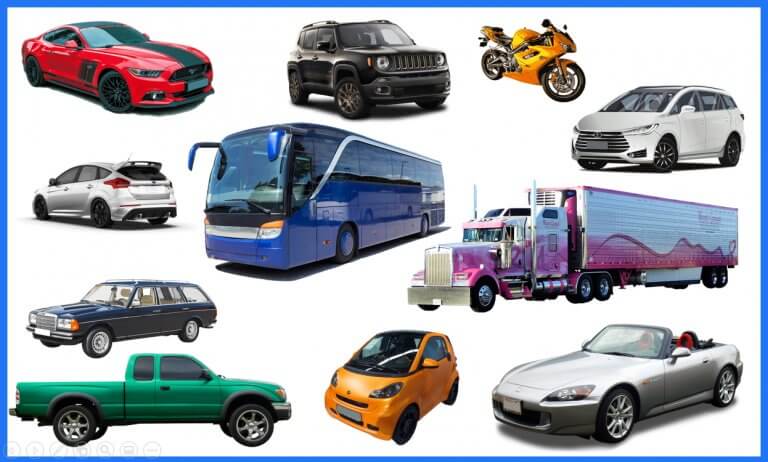
Digital marketplaces give buyers access to far more vehicles than they could realistically compare by visiting local dealerships and lots. Source: Unsplash
A physical dealership naturally limits what a shopper can compare in one afternoon. Moving between several locations takes time, and each dealer represents only part of the available market. Digital inventory removed much of that geographical constraint. Buyers can now compare vehicles across regions before deciding which ones deserve serious attention.
This has changed buyer expectations as well. A shopper looking for a specific trim or uncommon configuration no longer has to accept the closest available substitute simply because locating another example would take weeks. A broader search can reveal how scarce the desired vehicle really is. It can also show when an attractive local price is less competitive than it first appeared.
Price Discovery Happens Before the Sales Conversation
The dealership once controlled much of the information available at the beginning of a transaction. Buyers could research broad market values, but seeing comparable vehicles usually required visiting other sellers. Digital listings have made direct comparisons much easier. A buyer can establish a realistic price range before speaking with anyone responsible for selling the car.
Auctions change price discovery again because the displayed figure may be a starting point rather than the purchase price. The bidder sees demand develop during the sale and has to decide how much the specific vehicle is worth before competition pushes the number higher. That requires more preparation than responding to a fixed asking price.
A winning bid can also be only one part of the acquisition cost. Auction charges may be added afterward under the terms of the sale. A remote purchase can create transportation costs that would not exist with a nearby vehicle. Buyers who decide on a maximum bid without accounting for those additional expenses can easily spend more than intended.
Digital Bidding Pushes Due Diligence Earlier
On a traditional lot, curiosity can come first. A buyer can inspect a vehicle casually before deciding if it deserves further research. Remote bidding reverses that sequence. Much of the investigation needs to happen before the bidding window closes.
That changes what a disciplined buyer does with an interesting listing. The vehicle’s identity should be confirmed before its description is taken at face value. Available history data deserves review before setting a price ceiling. Sale conditions need equal attention because an auction can impose specific disclosure or arbitration rules. Once the bid becomes binding, information discovered afterward may have much less practical value.
The VIN Has Become the Anchor for Remote Research
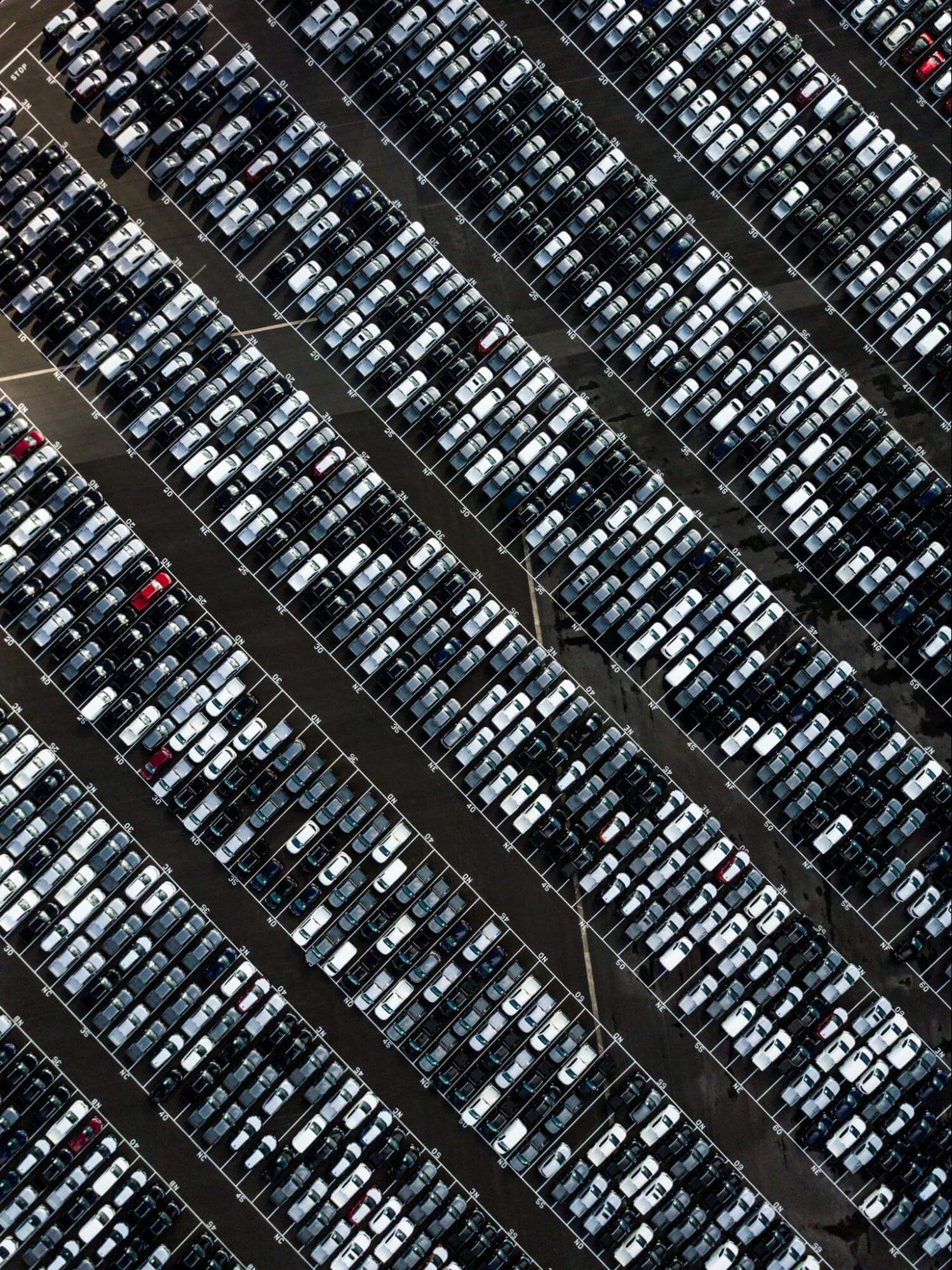
Large vehicle inventories make accurate identification essential when buyers depend on digital records to research cars remotely. Source: Unsplash
Digital photos tell a buyer what a seller wants to show. The vehicle identification number connects the listing to records that originate elsewhere. For a remote buyer, that makes the VIN one of the most useful pieces of information on the page.
In the United States, NMVTIS can provide information related to title history and the most recently reported odometer reading. It can also identify certain brand records and salvage information. Those records are especially useful when a vehicle has moved between states because title branding can materially change how a used vehicle should be evaluated.
Recall research can be performed separately. NHTSA lets you check a specific vehicle for open safety recalls using its VIN. Its current recall system can also accept a license plate number for vehicle-specific lookup. That gives buyers another independent check before purchase instead of relying solely on the information displayed in an advertisement.
Digital records still need to be read for what they actually contain. A clean title-history result is not a certificate that every part of the car is in good condition. Some damage may never create the type of record that appears in a national title system. Vehicle identity data improves remote screening, but it cannot inspect the machine itself.
Condition Reports Have Become a Buying Document
A remote buyer needs a substitute for the first walk around the car. Detailed photography and structured condition reports partly fill that role. They can reveal visible body damage and interior wear before the buyer spends time arranging a separate inspection. In professional auction settings, condition reporting has become formal enough that industry standards address how to disclose vehicle defects.
The limitation is perspective. A report records what was inspected and identified under its own scope. It cannot automatically answer every question a buyer would ask after hearing an unfamiliar noise during a road test or feeling a transmission behave differently under load. Buyers should read the scope of a condition report as carefully as the defects it shows.
Independent Inspection Still Has a Job
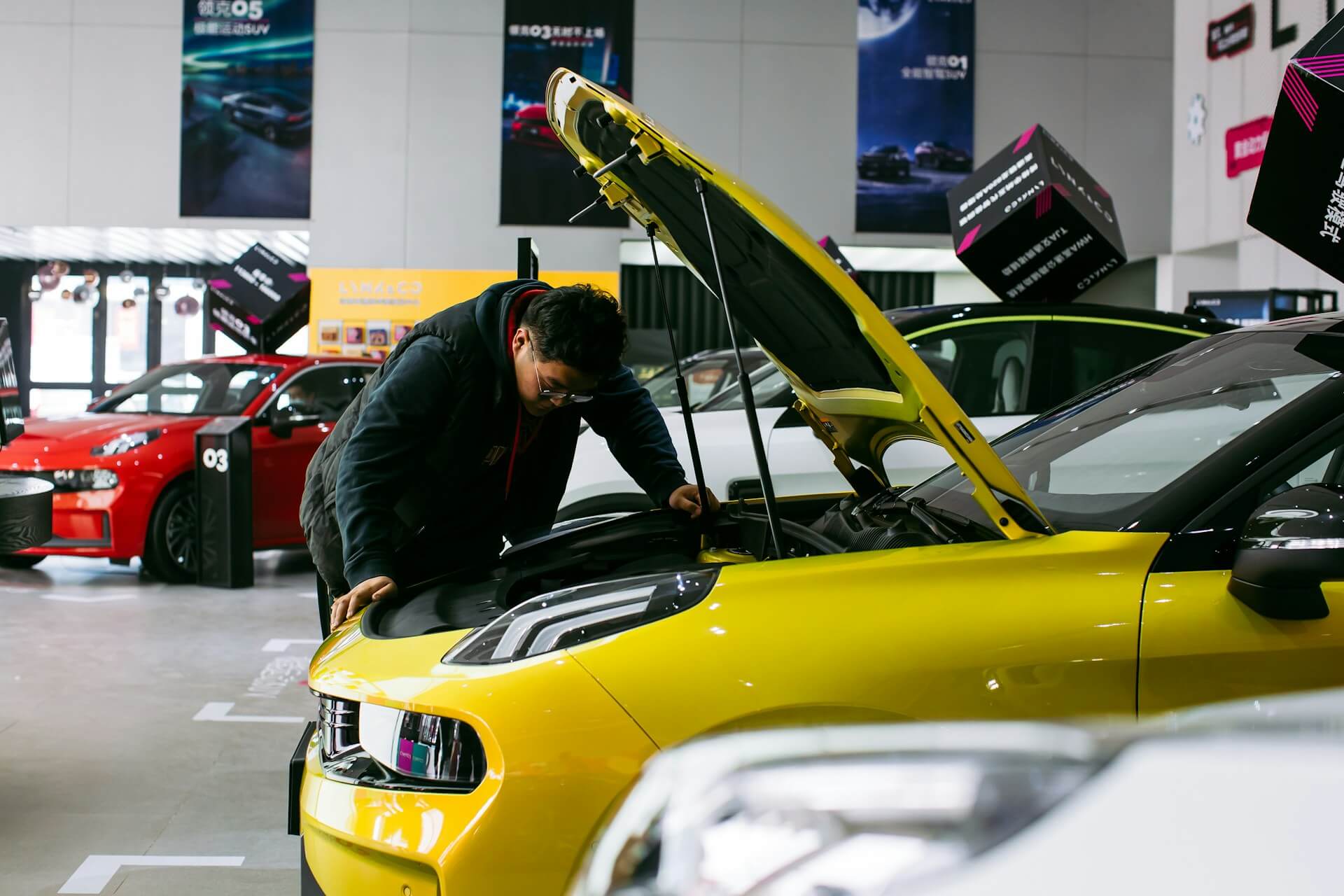
A physical inspection can reveal mechanical or condition problems that vehicle histories and online listings may not show. Source: Unsplash
Digital car buying has made history data easier to obtain, but history and condition are different things. A vehicle can have a reassuring paper trail and still need expensive mechanical work. Federal consumer guidance still recommends an independent mechanical inspection for used vehicles, including cars a dealer has already inspected.
Distance changes how that inspection is arranged rather than eliminating the need for one. A buyer may be able to hire a local mechanic or mobile inspection service near the seller. If a pre-purchase inspection is unavailable, the buyer needs to decide how much additional uncertainty that creates before placing a bid. A low price should not automatically be treated as compensation for a condition that has never been independently assessed.
Financing Has Moved Closer to the Research Stage
Traditional dealership buying often compressed financing into the final part of the visit. A buyer selected the vehicle first and then discussed monthly payments. Digital transactions give buyers more opportunity to arrange financing before they become committed to one car.
That changes the negotiating position. A buyer who already knows the financing terms available outside the sale can judge the vehicle price independently from the loan structure. The monthly payment becomes less useful as a distraction from the total cost of borrowing.
Remote transactions still require careful document review. An optional service contract should not be confused with a warranty simply because both can cover future repairs. The coverage depends on the written agreement. Buyers should also confirm which fees apply to the vehicle transaction before authorizing payment, especially when the advertised price or winning bid does not reflect the final amount due.
Buying Nationally Adds a Logistics Decision
A wider market can help a buyer find the right vehicle, but distance becomes part of the purchase economics. A car bought several states away has to reach its new owner. That may involve professional transport, or the buyer may choose to collect it personally.
Transportation changes how you should evaluate a bargain. Saving money on the vehicle itself has less value if moving it erases the difference. Distance can also complicate the response to a condition dispute because the vehicle is no longer a short drive from the seller. Buyers should therefore think about delivery before bidding rather than treating it as an administrative detail after the sale.
The Paper Trail Has Become More Important as the Deal Has Become Less Physical

A vehicle handover may be the final step, but the sale terms should already be clearly documented. Source: Unsplash
Buying remotely removes some of the moments when a buyer would traditionally receive information face to face. That makes written disclosures more significant. For used vehicles sold by dealers under the FTC Used Car Rule, the Buyers Guide provides information about warranty status. Consumers who buy a used vehicle from a dealer online are still entitled to that Guide.
Promises deserve the same discipline. A sales conversation may include assurances about repairs or vehicle condition, but written terms are far easier to rely on later. Digital transactions make saving those records simple. The buyer should preserve the version of the listing and the documents that formed part of the purchase rather than assuming the online page will remain unchanged after the car is sold.
Fraud Has Adapted to Remote Car Buying
A traditional car transaction gave the buyer one useful form of verification: the vehicle was physically present. Remote sales create opportunities for criminals to advertise cars they do not own or do not possess. Professional-looking photos do little to prove that the person requesting payment has legal control of the vehicle.
Payment pressure is a strong warning sign. The FTC has repeatedly warned consumers about fake online vehicle sales that demand difficult-to-recover forms of payment. Buyers should verify the seller independently and confirm that the transaction process belongs to the legitimate business or auction they intended to use. Links or payment instructions received unexpectedly deserve additional scrutiny.
Digital research can reduce other forms of deception as well. Title records make certain vehicle histories harder to conceal. Recall databases provide another independent data point tied to the specific vehicle. None of these tools removes the need for judgment, but they give remote buyers ways to verify claims that once depended heavily on trust.
Trade-Ins No Longer Require the First Dealership Visit
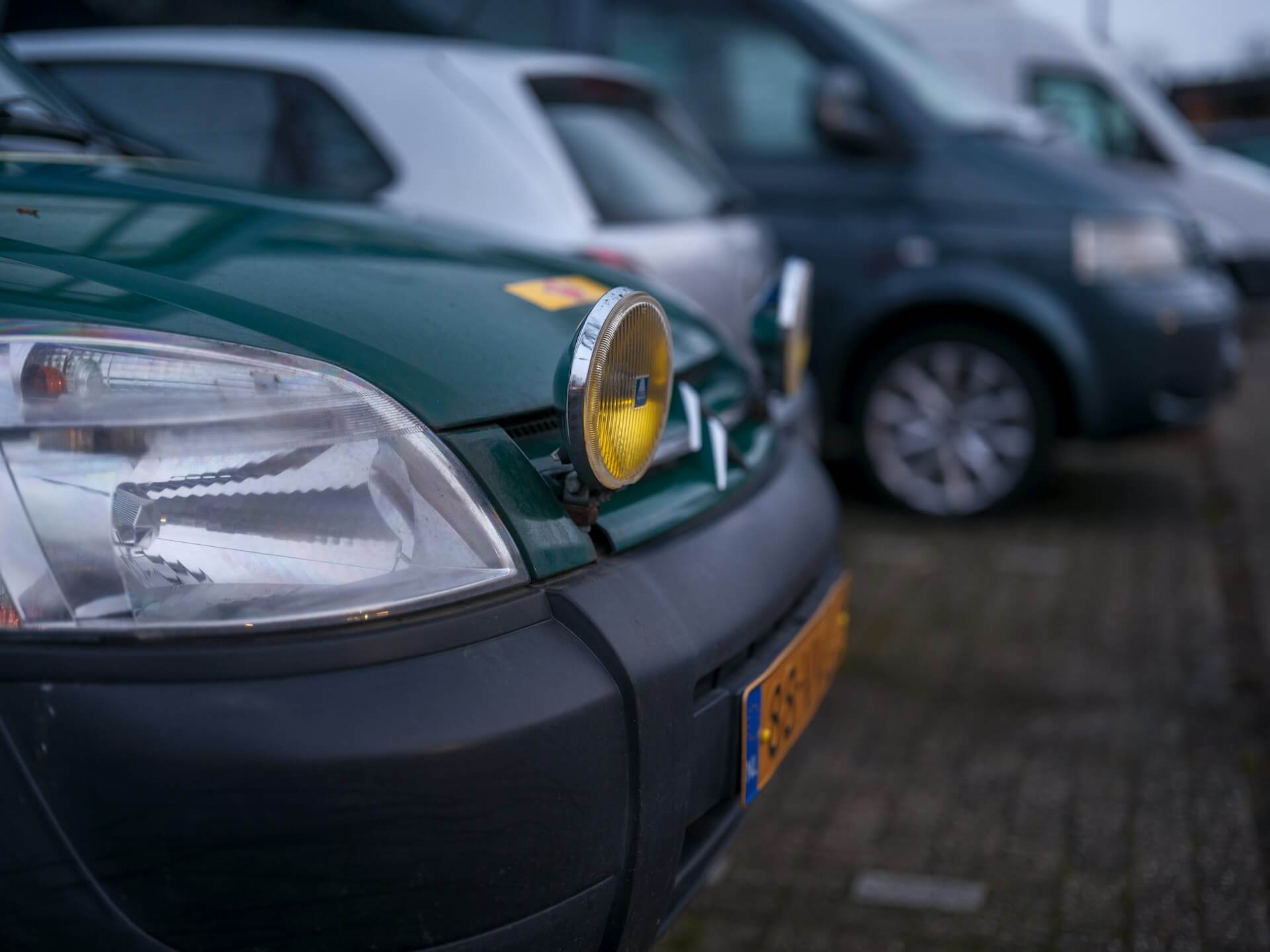
Digital valuation tools allow owners to estimate and compare trade-in offers before bringing the vehicle to a dealership. Source: Unsplash
The trade-in used to pull buyers into a dealership early. An appraisal normally required someone to inspect the vehicle in person, so the buyer often learned what the old car was worth while already discussing the next purchase. Digital valuation tools have separated those steps. Many owners can now obtain an initial estimate before deciding where they want to buy.
That changes the buyer’s position in the transaction. A trade-in estimate can be compared with other purchase offers before it becomes part of the new-car deal. The final value may still change after physical inspection, particularly if the vehicle’s condition differs from the information submitted online. Even so, buyers can enter the purchase process with a clearer idea of what their current vehicle may contribute toward the next one.
Vehicle Identification Is Becoming Faster and More Automated
Digital car commerce depends on connecting the right vehicle to the right records. VINs remain central to that process, but license plate recognition has created another practical way to identify vehicles from images or camera feeds. Auction operators, dealerships and other automotive businesses can use plate data to match vehicles with inventory records without relying entirely on manual entry.
Computer vision can also automate VIN capture. Instead of manually transcribing a 17-character identifier, automotive businesses can read a VIN from a photo and convert it into data that matches vehicle records. This can reduce data-entry errors and speed up vehicle processing when large numbers of cars need to be documented.
For buyers, most of this technology remains behind the scenes. Its value appears in the quality of the information attached to a listing. As more of the purchase process moves online, accurate vehicle identification helps prevent records, photographs and condition details from being associated with the wrong car. Digital bidding may happen remotely, but dependable vehicle data still starts with correctly identifying the physical vehicle.
What Has Really Changed for Car Buyers
Car buying has become less dependent on where the vehicle is located and more dependent on how well the buyer can evaluate it before committing. Search, pricing, financing, vehicle-history checks, and bidding can now happen remotely. That gives buyers access to a much wider market and more time to compare options before speaking with a seller.
What has not changed is the need to verify the car itself. Digital records can reveal useful history, but they cannot confirm every mechanical or cosmetic issue. Photos can show visible condition, but they cannot replace every part of an inspection. The buyer still needs to decide which information is reliable enough for a remote purchase and when closer examination is necessary.
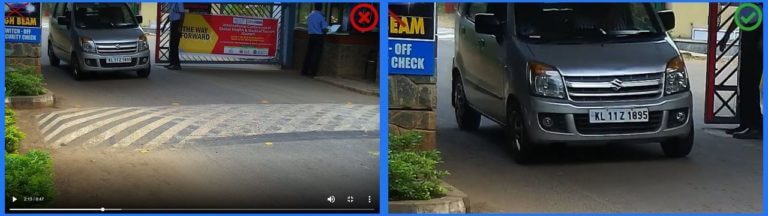
Vehicle images create a separate privacy consideration when they are published or shared outside internal systems. Businesses may blur license plates in photos and video when the plate number provides no useful information to the viewer. Automated blurring is particularly useful when processing large volumes of images, where editing every plate manually would add unnecessary work.
The modern process gives buyers more choice and more control, but it also shifts more responsibility onto them. A successful purchase now depends on combining good digital research with careful verification of the specific vehicle. The tools have changed considerably. The basic goal has not: know what you are buying, know what it will really cost, and avoid committing before the available evidence supports the decision.