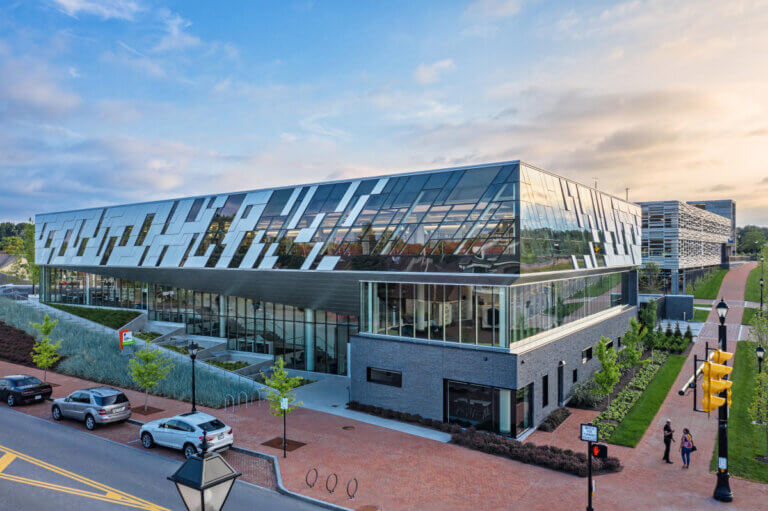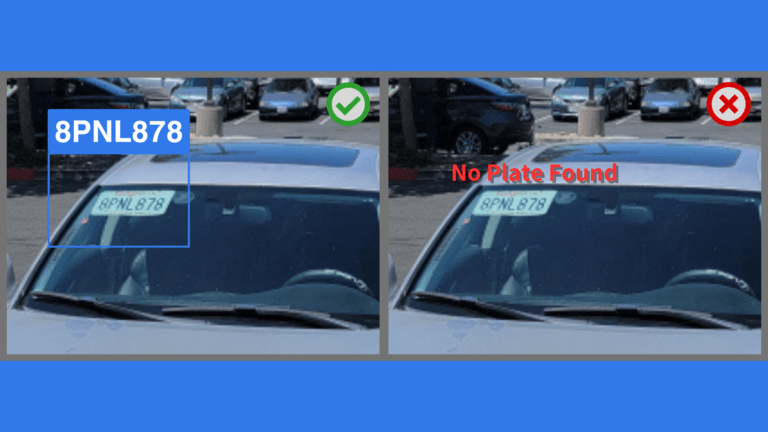
Modern parking management has shifted from simple space booking to total AI-driven oversight. Property owners are moving away from expensive manual patrols toward automated digital attendants. The priority for 2026 is deploying automated parking management that optimizes space utilization and stays completely invisible to legitimate guests, while maintaining strict compliance for violators.
This article provides an in-depth review of the best parking management software available in 2026. We will break down the top industry platforms, compare their specialized capabilities in Automatic License Plate Recognition (ALPR) and cloud security, and highlight the optimal solutions for commercial real estate, retail operations, and strict rule enforcement.
Revenue Leakage and Operational Overhead of Manual Lot Patrols
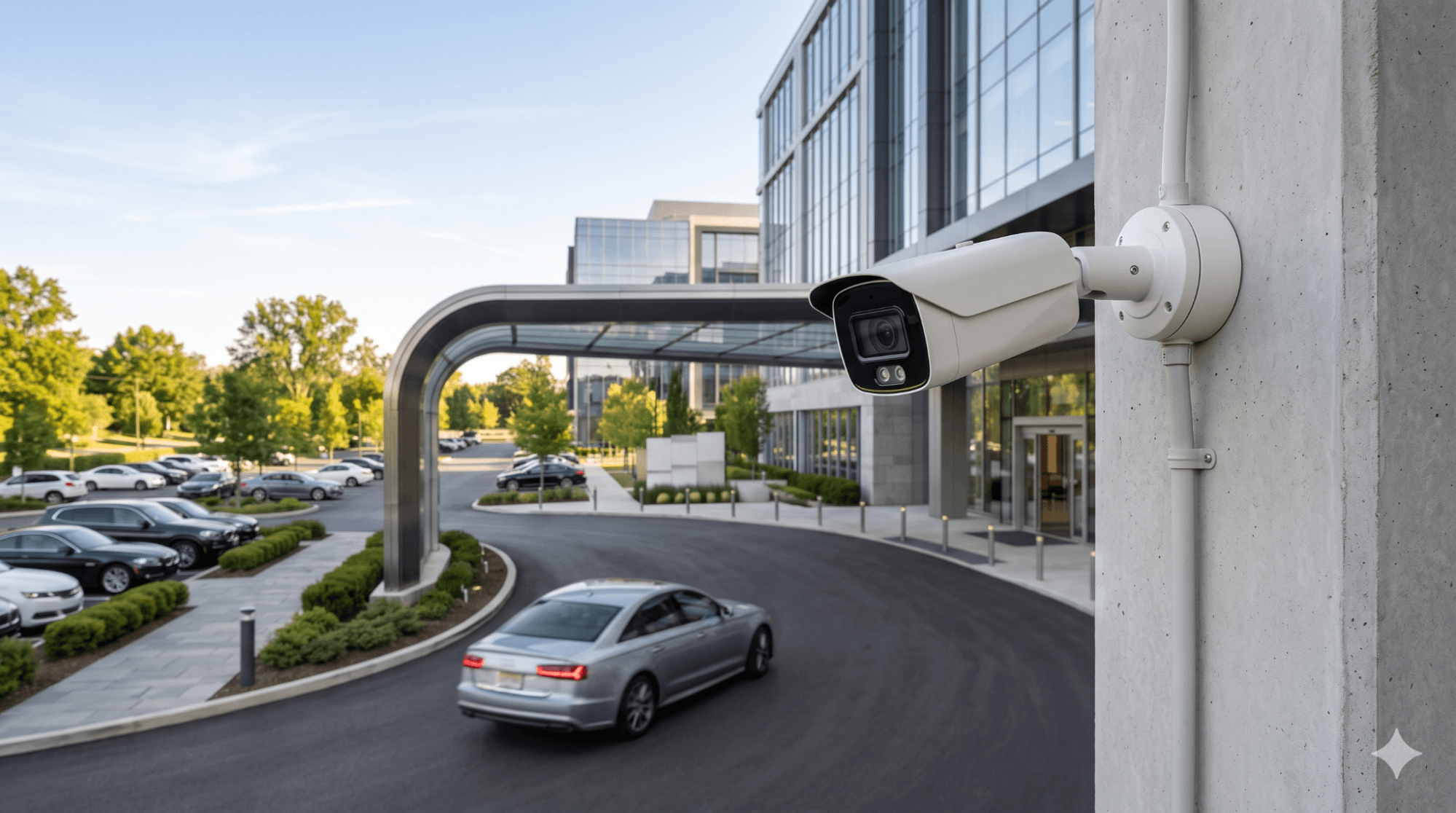
ONVIF-compliant IP camera capturing real-time RTSP video streams for automated parking enforcement and violation monitoring. Source: Gemini-Generated Image
Traditional, manual parking enforcement creates massive blind spots and high operational overhead for modern facilities. Relying on physical patrols or standard “blind” CCTV cameras means property managers only catch a fraction of parking violations, leading to lost revenue and frustrated, legitimate guests. Without real-time data or cross-property tracking, operations remain entirely reactive rather than proactive.
Why Legacy Parking Enforcement Fails
Manual oversight cannot scale to meet modern facility demands. Traditional infrastructure collapses across three distinct operational fronts:
- Real-Time Tracking Gaps and Visibility Blind Spots – Manual workflows lack continuous vehicle tracking, leaving operators blind to unpaid overstays or unauthorized commercial usage in real time. This lack of centralized visibility turns lot monitoring into guesswork, leading to direct profit loss and an inability to protect premium spaces for high-value customers.
- Inflation of Operational Expenses (OpEx) – Allocating security personnel to physically verify paper tickets, windshield stickers, or manual permits creates a massive financial drain with low operational yields. These labor-intensive patrol loops cannot provide the constant, 24/7 coverage required to manage complex facilities.
- Passive Hardware Restrictions – Standard security cameras act merely as passive recording tools because they lack edge-processing machine learning capabilities. The system cannot parse data dynamically as a vehicle arrives, preventing security teams from receiving immediate automated alerts when repeat offenders or unauthorized vehicles cross the property line.
To overcome these challenges, progressive property managers are moving away from manual bottlenecks and hardware-heavy gate systems. Instead, they are turning toward agile parking enforcement models that leverage cloud-based software to convert raw data into actionable property intelligence. This modern technical shift centers entirely around deploying a centralized vehicle tracking hub: the automated ALPR dashboard.
Benefits of Implementing Smart Parking Technology
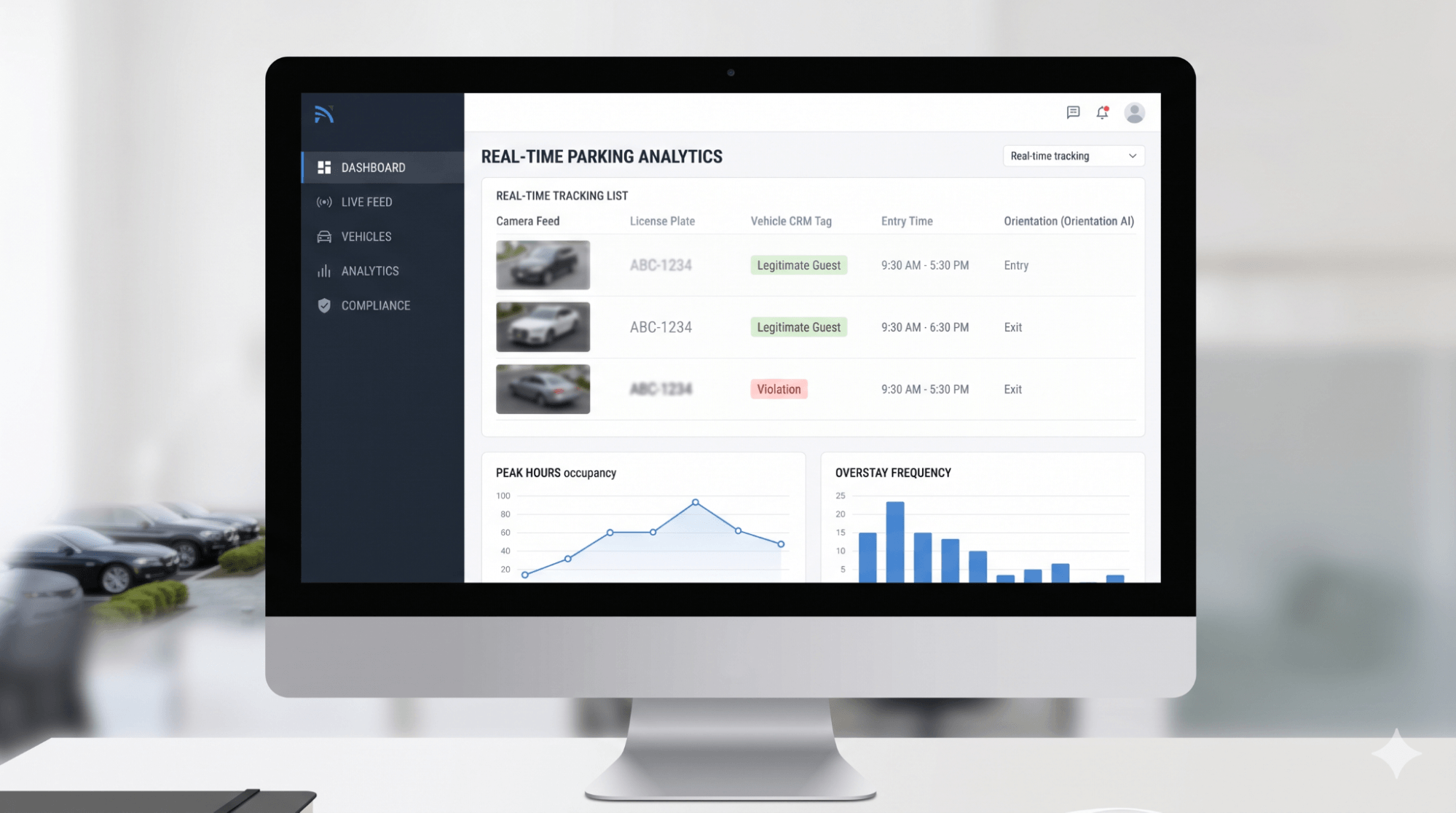
Enterprise cloud parking software platform interface tracking vehicle metadata and historical traffic occupancy analytics. Source: Gemini-Generated Image

Personnel checking the data on a parking management software dashboard. Source: Gemini-Generated Image
Commercial Property Fit Matrix
To help asset managers quickly map these platforms to specific business environments, this matrix outlines the ideal deployment scenarios based on core operational advantages:
| Property Type / Use Case | Best Software Choice | Core Advantage | Key Technical Feature |
| Hospitality & Retail Rule Enforcement | ParkPow | Strict protection of spaces from unauthorized use | Vehicle CRM & proactive overstay alerts |
| High-End Office & Mixed-Use Security | Proptia | Centralized access control and perimeter oversight | Smart video intercoms & virtual guarding |
| Retail Centers & Large Facilities | Parking Guidance Systems | Improved customer experience via rapid navigation | LED sensor lights & mobile car-finder app |
| Commercial Garages & Revenue Focus | Pave Mobility | Maximized ROI through frictionless access | Gateless infrastructure & automated compliance mailers |
Specialized Operational Breakdowns
Best Cloud-Hosted ALPR Dashboards for Hardware Agnostic Deployment
For property managers looking to maximize their existing infrastructure via an ALPR dashboard, ParkPow stands out as the most specialized platform choice. It allows users to “dashboard-enable” standard ONVIF-compliant IP cameras to query vehicle metadata (MMR—Make, Model, Recognition) without forcing the purchase of proprietary camera hardware. Focusing on Cloud-Based Processing addresses critical environmental variables like low-light conditions, illumination angles, and vehicle speeds across diverse physical layouts.
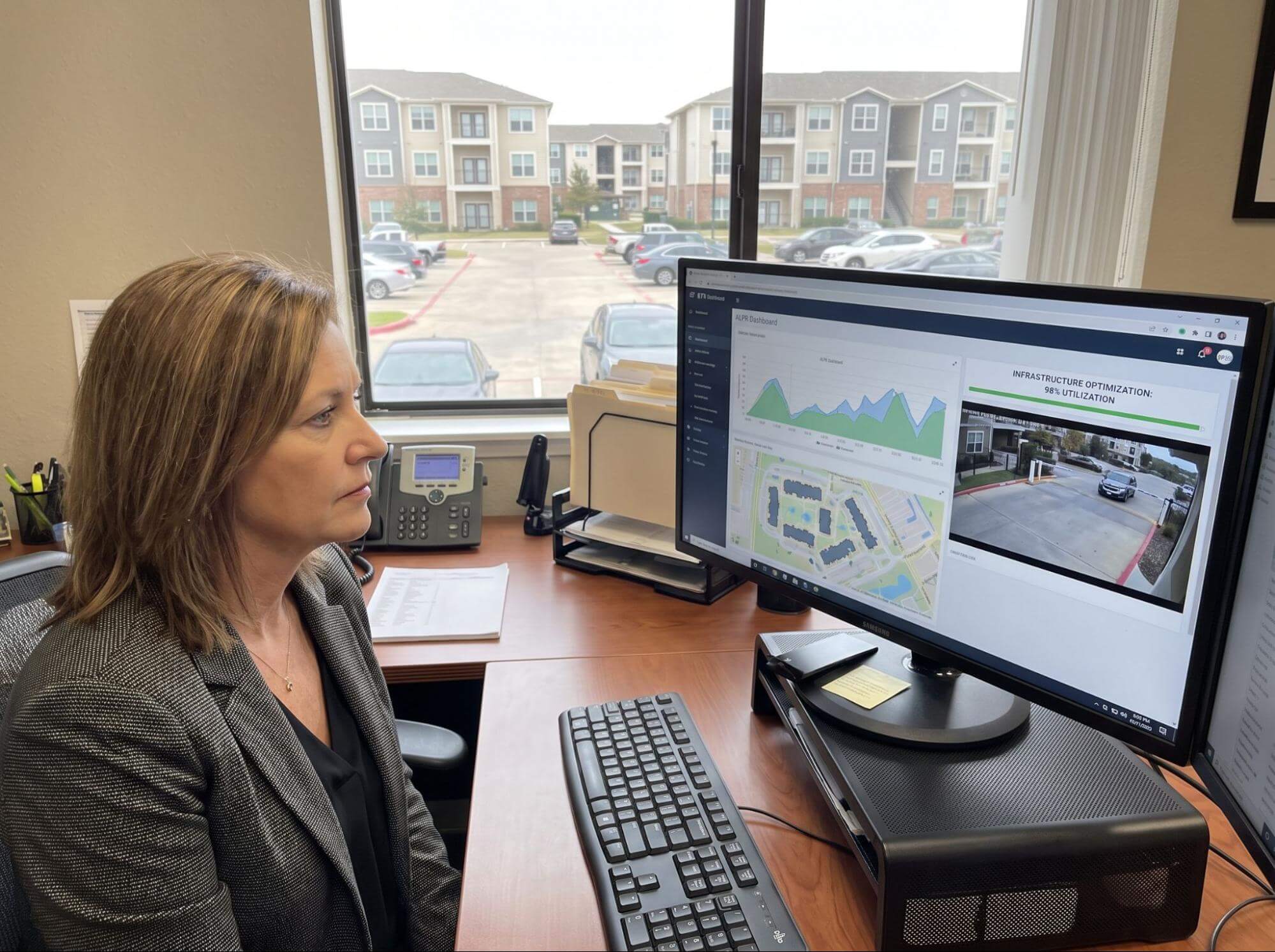
Parking manager monitoring data on a parking management software dashboard. Source: Gemini-Generated Image
Most Cost-Effective Gateless LPR Enforcement Platforms
Pave Mobility directly addresses both structural overhead and ongoing operational expenses by targeting physical infrastructure. Eliminating mechanical gates removes immediate maintenance costs and prevents traffic congestion at entry points. Furthermore, its automated LPR camera enforcement handles compliance via mailed notices, which successfully removes the administrative burden of manual patrols and eliminates the need for controversial booting or towing practices.
While ParkPow effectively reduces labor costs by cutting out physical patrol vehicles, and Proptia saves on manpower via virtual guard stands, Pave Mobility offers a highly comprehensive solution for long-term fiscal cost reduction.
Conclusion
The ideal parking management software is the one that fits your unique operational requirements. Evaluating your specific property layout, budget, and enforcement needs will guide you toward the right tool.
Frequently Asked Questions (FAQs)
Q1: Can ParkPow integrate with existing property security cameras?
Yes. ParkPow features an open API and a hardware-agnostic architecture that integrates directly with standard, ONVIF-compliant IP video infrastructure and legacy LPR edge-capture setups. Connecting the platform to existing RTSP camera streams allows operators to convert a property’s current hardware into an intelligent, searchable vehicle CRM without requiring expensive proprietary camera overhauls.
Q2: What is the difference between Gateless Revenue Recovery and ALPR Parking Enforcement?
Gateless revenue platforms focus primarily on access optimization and automated billing collection, whereas ALPR parking enforcement software emphasizes active lot compliance and proactive property oversight. Gateless platforms (such as Pave Mobility) remove mechanical barrier gates to accelerate traffic flow and capture lost revenue through automated compliance mailers. ALPR parking enforcement systems (such as ParkPow) actively monitor property boundaries to enforce complex rules—like strict 3-hour time caps—while cross-referencing vehicle history via a centralized database to issue real-time alerts for unauthorized overstays.
Q3: How do cloud-hosted parking platforms improve property cost reduction while maintaining data privacy?
Cloud-hosted systems eliminate human patrol overhead by substituting manual lot audits with automated machine learning tracking. Modern software architectures protect consumer privacy by isolating and securing sensitive license plate records inside encrypted cloud dashboards. These platforms feature automated data-purging tools that let property managers schedule the systematic destruction of historical vehicle records based on localized enterprise compliance regulations and state-level data laws.
Q4: How does ParkPow’s pricing model scale compared to hardware-locked competitors?
ParkPow eliminates upfront infrastructure capital expenditures (CapEx) by offering a predictable software-as-a-service (SaaS) model typically ranging from $15 to $20 per camera, per month. Legacy competitors require proprietary physical hardware and thousands in upfront installation fees. ParkPow’s open-ecosystem pricing allows property managers to dashboard-enable their existing video assets, scaling camera licenses up or down dynamically based on seasonal site configurations.
Q5: Can an ALPR dashboard detect the specific direction a vehicle is traveling to prevent tailgating or security breaches?
Yes. Advanced AI-driven platforms like ParkPow utilize a specialized Vehicle Orientation AI module to immediately determine whether a car is entering or exiting a property. The system evaluates incoming video frames to analyze vehicle trajectories at the point of ingestion. Cross-referencing this directional tracking against a centralized Vehicle CRM and proactive blacklisted/denied vehicle alerts allows security teams to flag tailgating behavior, unauthorized entry patterns, or perimeter breaches in real time.